




Advertisement
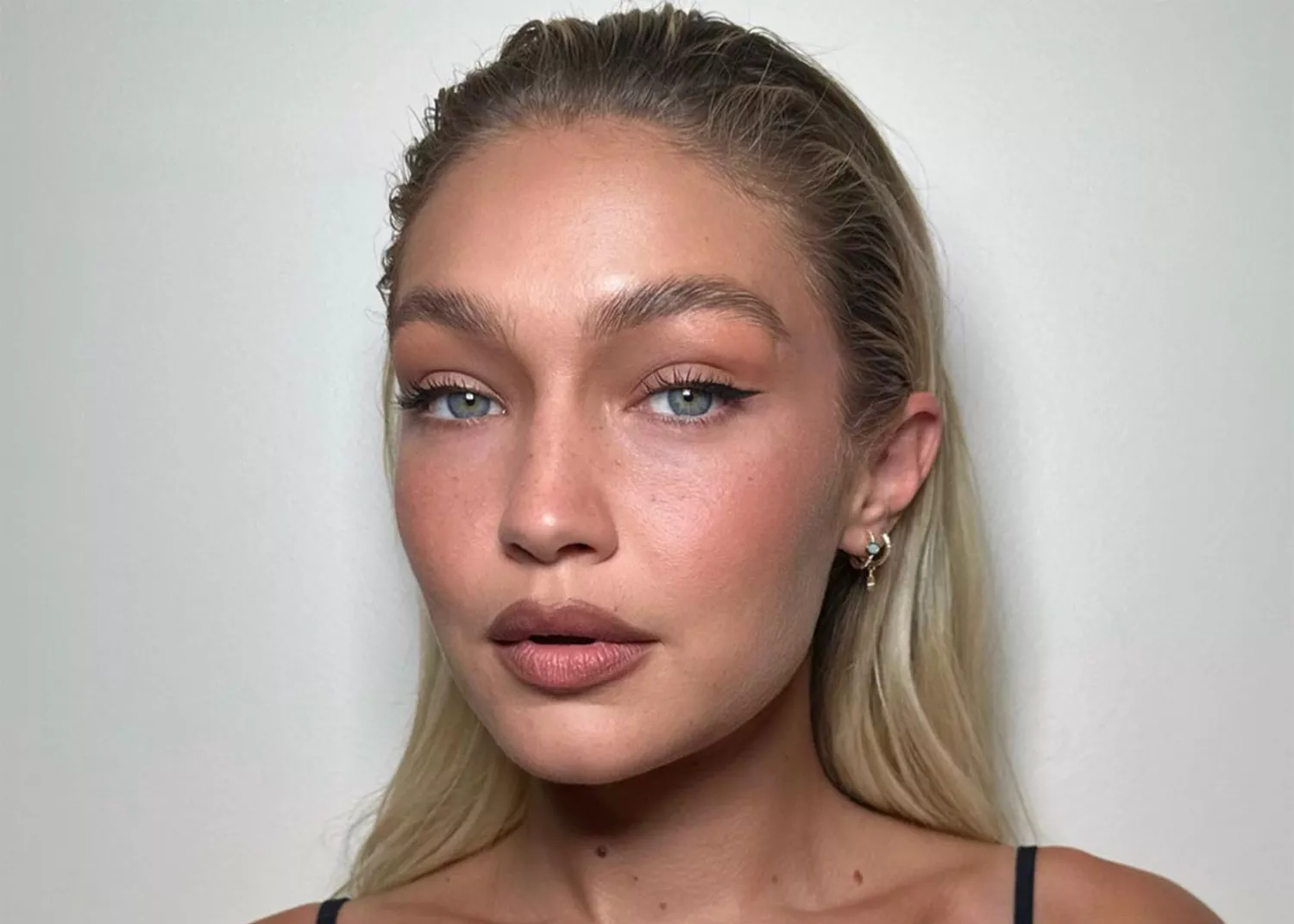
@patrickta / Instagram
In This Article
Identify Your Skin Type and Concerns Determine Your Undertones Shade Match Before You Buy Choose Liquid, Oil-Free Formulas Consider Your Coverage Needs
Be Careful with Full-Coverage Formulas Use Sample Sizes Refine Your Application Method Customize Your Foundation
Foundation is a staple makeup product for a reason. It can help cover breakouts, even out skin tone and give you a glowy complexion without the sun exposure. Finding a formula and shade that work for you can be a time consuming process with a lot of trial and error. The beauty market has never presented such a wide range of options—from the ever-expanding variety of brands to a growing diversity of shades and formulations. We asked celebrity makeup artists Jenna Menard and Victor Henao, as well as dermatologist Hadley King, MD, for their best tips on finding a foundation that matches your skin tone. Keep reading for their advice and the details to keep in mind while shopping.
Meet the Experts
Jenna Menard is a celebrity makeup artist whose clients include Kate Winslet and Kerry Washington.
Victor Henao is a celebrity makeup artist who has worked with the likes of Adriana Lima, Misty Copeland, and Kate McKinnon.
Hadley King, MD, is a New York-based dermatologist who specializes in medical and cosmetic dermatology. She is also a clinical instructor of dermatology at Cornell University's Weill Medical College.
01 of 09
Identify Your Skin Type and Concerns
Center your search for the perfect foundation around your specific skin goals—whether you have dermatologic concerns like eczema or simply want your skin to look more luminous and glowy. “Think about your issue and work with it, not against it,” Menard says. Foundation isn’t one-size-fits-all. An influencer you trust might recommend a particular brand but only you can decide if it’s the right fit for your skin type.
The main skin types are dry, oily and combination. You may also want to keep in mind other specificities such as dullness, dehydration, breakouts and sensitivity. Think about what you need out of a product and make sure the foundation fits your needs as closely as possible. For instance, one foundation may cover redness but have a comedogenic formula, meaning it can cause breakouts if you have acne-prone skin.
02 of 09
Determine Your Undertones
Determining whether you have warm, cool, or neutral undertones is key to picking the best foundation color to match your skin so you don't end up looking unnaturally orange or pink. This can be a difficult task even for the most seasoned beauty vet. “I recommend looking at the exposed areas of the body first,” Henao says. “If your chest and shoulders tend to be more red and pink, it’s safe to say you have pink undertones, or if you’re golden, peach, and yellow, you have warmer undertones. Your face needs to match your body.”
Keep in mind that undertones have nothing to do with how light or dark your complexion is. “Any skin color can have cool, warm, or neutral undertones,” King tells Byrdie. “If none of the colors associated with undertones stand out as obvious, you have neutral undertones.”
You can also use these shades to color correct a specific concern. For example, if you have redness, foundations with yellow bases (and even green-tinted color-correcting products) can offset that. If you have prominent dark circles that skew blue or purple, using products with peachy or golden undertones can reduce their appearance.
03 of 09
Shade Match Before You Buy
You may have to test out several foundations to find the one that best matches your skin tone. We recommend heading to a beauty store near you and swatching several potential shades on yourself or asking an associate to help you find your perfect match. If you're testing the product yourself, be sure to fully blend the foundation and look at the result in natural lighting.
“Shade-matching is intimidating, but you can experiment with different shades along your jawline and see which one disappears,” Menard says. Foundation newbies also report finding success with shade-matching tools like the Pantone SkinTone Guide, which was measured against thousands of real skin tones.
04 of 09
Choose Liquid, Oil-Free Formulas
Choosing the right formula (such as liquid, powder or cream foundation) depends on your complexion. Unless you’re going for a particularly matte look, liquid or cream is usually a good place to start. “I love the finish a liquid foundation gives the skin,” Henao says. “Even if you’re oily, I would choose a liquid—water and oil are basic ingredients your skin naturally produces and has, so when that natural oil comes out, liquid will sit on your skin much better than a powder.”
Powder (or mineral) foundations can work for oily complexions but you should avoid them if you have dry skin. Pro tip: If you are leaning towards powder, Henao suggests only using it in specific climates—a.k.a. a dry and cool environment—as powder turns darker when it gets wet.
When it comes to liquid and cream foundations, oil-free formulas are a good option if you’re dealing with sensitive, breakout-prone skin. “Look for products that are noncomedogenic,” says King. (Noncomedogenic means a product is formulated to not clog your pores.) “You can also find makeup with active, acne-fighting ingredients like salicylic acid.”
If you have combination or dry skin, oil in your foundation is okay. In fact, many makeup artists argue it’s essential to any good skincare routine, primarily for its moisturizing and anti-aging benefits—and that includes the foundation you use.
05 of 09
Consider Your Coverage Needs
Ask yourself how much you want your natural skin texture to show when choosing your level of coverage. If you want the result to look like an enhanced version of your skin, choose a lightweight foundation or even a good tinted moisturizer. If the answer is not a lot, choose a medium-coverage foundation you can “build” to fuller coverage. “There are very few moments where anyone needs a full-coverage foundation,” Henao says.
You can achieve various texture finishes within each level of coverage—whether fuller or more sheer. “Different formulas can be used to give the skin a dewy look, or a matte look, but you have to know what your end goal is,” Menard tells Byrdie.
Byrdie Tip
You can make any foundation more sheer by mixing the formula with your favorite moisturizer and/or applying it with a damp beauty blender.
06 of 09
Be Careful with Full-Coverage Formulas
Even if you’re dealing with textural concerns such as acne scars or rosacea, heavier, fuller-coverage formulas aren’t usually the answer. “Sometimes people think using a full-coverage foundation will solve the issue, but it’s the opposite—it’ll make your texture appear more raised and uneven,” Henao explains.
Although silicone-based moisturizers and primers often receive a bad rap for being comedogenic, Henao suggests using one if you have textured, non-breakout-prone skin, as you can smooth out the surface of your complexion before applying foundation. The key here is to address specific skin concerns separately to achieve a natural look and allow your skin to breathe throughout the day—rather than relying on foundation as a solution.
Menard points to a technique she swears by if you’re prone to breakouts and are set on a fuller-coverage formula: “I like using a full-coverage foundation or concealer in a sheer way with a damp beauty blender,” she explains. “I’ll use Tarte's Shape Tape concealer ($31) as an allover foundation, sparingly, to achieve natural-looking skin.”
07 of 09
Use Sample Sizes
You may love the foundation you currently have but sampling other products can be a great way to discover other options and potentially find one there you prefer. Try the foundation samples that come with your purchases and consider trial sizes when available.
“It’s so important to constantly shop,” Henao says. “Sample different foundations when you run out! The technology in formulas changes every day, so what you may love about your foundation today might be different during a new season.”
08 of 09
Refine Your Application Method
It isn't just about picking the best foundation color and formula—the way your base looks depends heavily on how you apply it. Make sure your application method is right for your desired result. Use a brush for more coverage and product, your fingers if you want it worked in and a wet sponge to add moisture and sheerness.
“Application makes all the difference, and you can make one foundation look totally different simply by how you apply it,” Menard says. This means that if you find a product you like, you can switch up your application method whenever you'd like depending on your desired result.
09 of 09
Customize Your Foundation
While foundations come in a variety of shades and formulas, we understand if you still want to use a product you bought and that is slightly off. Try mixing your foundation with other products to slightly alter the shade. If you need to make it darker, mix it with blush, bronzer or a darker shade of foundation or concealer. Lighter foundation or concealer, primer, moisturizer and powder can also make your foundation color go lighter.
You can even customize your foundation if the undertone isn't the best match for your skin. A bit of turmeric can add a golden tint for warm undertones, cocoa powder can make the shade more brown,and blush can be helpful if you have cooler pink undertones.
Advertisement
Advertisement


Advertisement
Advertisement


